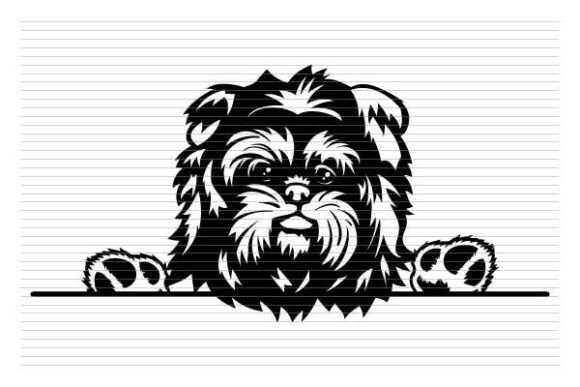
Affenpinsher Dog Peeking
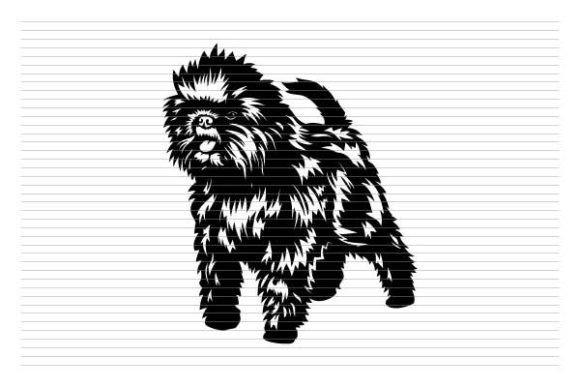
As an experienced embroidery designer who has worked through hundreds of animal designs, I have learned to spot the difference between artwork that looks good on a screen and artwork that actually performs in a machine. Affenpinsher Dog Peeking caught my attention because it does not try to be clever in a way that would cause trouble during stitching. It is confident, restrained, and built with real production in mind. The design comes from the Illustrations category and is listed under Graphics, which tells me the original file was created as a clean vector rather than a digitized embroidery file. That is not a drawback. In fact, it gives me more control over how I translate it into thread, fabric, or even print.
The description states that each file is designed in relation to the use to be made of it, with clean vectors ready for any cutting machine and the same files usable for printing or sublimation. That kind of cross-medium versatility is rare in a single design asset. For someone who runs a small embroidery business and also sells printable mockups or sublimated products, this means one piece of artwork can serve multiple product lines without needing to be redrawn. That saves time and maintains visual consistency across your shop.
The Personality of a Peeking Dog
The first thing I noticed about Affenpinsher Dog Peeking is how the composition changes the mood. Instead of a static head-on portrait, the dog peeks into the frame from the edge. That simple shift makes the design feel alive. It captures the curious, slightly mischievous nature that Affenpinsher owners will recognize immediately. The expression is alert but friendly, which broadens its appeal beyond strict breed enthusiasts to anyone who appreciates a well-observed animal illustration.
The linework is economical without feeling incomplete. The ears, eyes, and muzzle are clearly defined, but there are no unnecessary details that would cause trouble at small hoop sizes or on textured fabric. This is a design that respects the limits of embroidery. It gives you enough shape to work with but does not demand extreme stitch density to read correctly. That kind of restraint tells me the designer thought about how the artwork would be used in real projects, not just how it would look in a digital preview.
Testing It on a Custom Tote Bag
I wanted to see how Affenpinsher Dog Peeking held up in a real customer scenario, so I used it to prepare a custom tote bag for a small dog boutique that was launching a new line of accessories. The boutique owner wanted something that felt personal but not overly sentimental, and she specifically asked for a design that could sit alongside a business name without competing for attention.
I placed the peeking dog in the upper left corner of the tote bag and embroidered the boutique name in a simple sans-serif font on the right side. The offset composition worked perfectly. The dog’s face drew the eye naturally toward the center of the bag, and the name filled the remaining space without feeling cramped. I stitched the design in three thread colors on a natural cotton tote. The facial features stayed crisp, and the peeking layout gave the whole piece a professional, curated feel. The boutique owner was happy, and the bags sold within the first week.
How It Performs on Different Products
Beyond tote bags, I tested Affenpinsher Dog Peeking on a few other surfaces to understand its range. On a medium-weight cotton sweatshirt, hooped in a standard 4x4 frame, the design stitched cleanly at a small scale. The peeking format allowed me to place it on the left chest area without the design feeling too large or too small. I used a warm gray for the body, a lighter gray for the highlight areas, and a deep brown for the eyes and nose. Even at this smaller size, the dog’s expression remained readable.
The same design would work well as an embroidered patch. The clean outlines and distinct color areas make it a strong candidate for applique, where fabric pieces replace some of the stitching to create texture. I can see it sewn onto a denim jacket, a canvas backpack, or even a linen pillow cover. Because the design does not rely on tiny, densely packed details, it can be scaled up or down without losing its personality.
For sublimation projects, the vector format means you can adjust the size freely and print it on a wide range of items. Coasters, ceramic mugs, polyester tote bags, and even phone cases would carry the design well. The breed-specific appeal gives it a ready-made audience among dog owners who search for items that reflect their particular breed.
Where to Be Careful With This Design
No design works everywhere, and Affenpinsher Dog Peeking has a few limitations worth knowing before you commit to a large production run. The facial features, while clean, are small enough that they can lose definition on very small hoop sizes. If you plan to stitch this in a 2x2 or 3x3 hoop, test it on scrap fabric first. The eyes and nose are the most critical areas, and if the stitch density is too high for the scale, those features can blur together.
Textured fabrics like fleece, thick terry, or heavy knits can also soften the design’s edges. The fill stitches may sink into the fabric pile, making the dog’s face appear less sharp. On those fabrics, I recommend increasing the underlay density slightly and using a sharper needle. Light-colored thread on a dark fabric background will give you the strongest contrast and help the facial details read clearly.
Stretchy fabrics, such as performance blends or thin jersey knits, require a cutaway stabilizer and careful hooping. The peeking layout means part of the design extends toward the edge of the hoop, so make sure your hoop is large enough to keep the entire shape under tension. If the fabric shifts, the offset composition will become noticeably distorted. Temporary adhesive spray can help keep the fabric stable during stitching.
For curved surfaces like caps or curved patch frames, the offset composition is actually an advantage. It does not fight the natural curve of the surface the way a centered design sometimes does. But if you place the design near a seam, zipper, or pocket edge, test the positioning first to avoid uneven stitching.
Visual Appeal, Product Value, and Customer Trust
From a business standpoint, Affenpinsher Dog Peeking offers strong return on a single design purchase. The breed-specific nature of the artwork gives it a niche audience that is actively searching for designs that represent their dog. Affenpinsher owners tend to be dedicated and discerning. They want designs that look like the breed, not generic dog shapes with minor tweaks. This design delivers on that expectation because the peeking posture and facial proportions are clearly specific to the breed.
On Etsy, in craft fairs, and on boutique product lines, the handmade presentation matters. A design that stitches cleanly and looks intentional at various sizes builds customer trust. Buyers can see the quality in the finished product, which justifies a higher price point and encourages repeat purchases. If you offer personalized versions with names or initials, the peeking layout gives you natural space to add text without crowding the main design.
For small shop owners and creative entrepreneurs, this design can be used across multiple product categories without feeling repetitive. Embroidered on a tote bag, sublimated on a mug, printed on a greeting card, or featured as a printable mockup in your digital shop, the same core artwork maintains brand consistency. That kind of cross-platform utility is valuable when you are building a cohesive product line on a limited budget.
Practical Notes Before You Stitch
Before you use Affenpinsher Dog Peeking in a commercial project, take these practical steps to avoid surprises.
- Test on scrap fabric first. Match the fabric weight and texture of your final product. This will reveal whether the stitch density is appropriate and whether your chosen thread colors provide enough contrast.
- Check the design in a single-color mockup. A strong embroidery design should be recognizable even without color. If the dog’s face becomes hard to read in black and white, you may need to simplify the digitizing.
- Verify hoop size compatibility. The peeking layout extends to one edge of the design. Make sure your hoop can accommodate the full shape without compressing the fabric unevenly.
- Confirm licensing terms before selling. The product description indicates the files are designed for cutting machines, printing, and sublimation, but always verify whether commercial use is allowed and whether you need to credit the original designer.
- Digitize carefully if starting from a vector. Since the design comes as a vector illustration rather than a native embroidery file, pay attention to stitch angles, underlay, and pull compensation around the eyes and nose. Those small areas will determine whether the final stitchout looks polished or sloppy.
What This Design Means for Your Embroidery Project
Affenpinsher Dog Peeking is not a generic dog design that works for every situation, and it does not pretend to be. It is a breed-specific illustration with a clear personality, a thoughtful layout, and enough structural simplicity to survive the transition from vector to thread. For embroidery designers, small business owners, and handmade sellers who work with animal themes, this design offers practical value beyond its visual appeal.
Whether you are stitching it onto a baby onesie, a boutique tote bag, a holiday gift pillow cover, or a retail patch, the peeking composition gives you flexibility in placement and personalization. With proper testing, the right stabilizer, and careful digitizing, this little dog will produce consistent results across fabric types and product categories. That is the kind of reliability that matters when you are building a craft business or delivering custom orders for clients who expect quality.