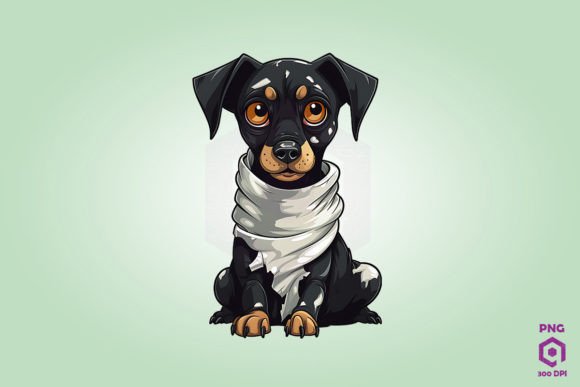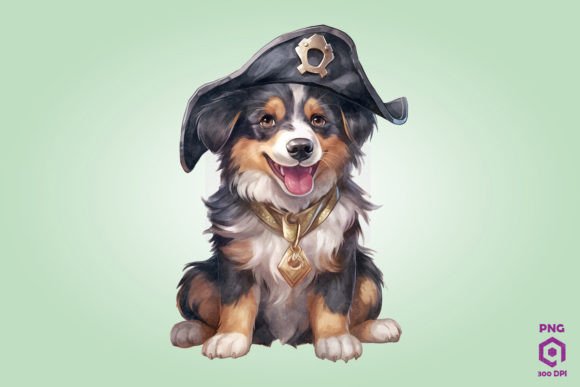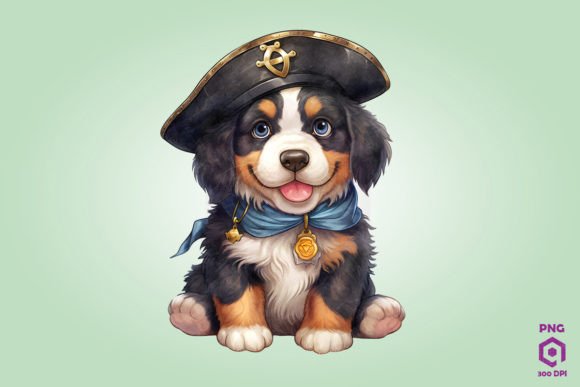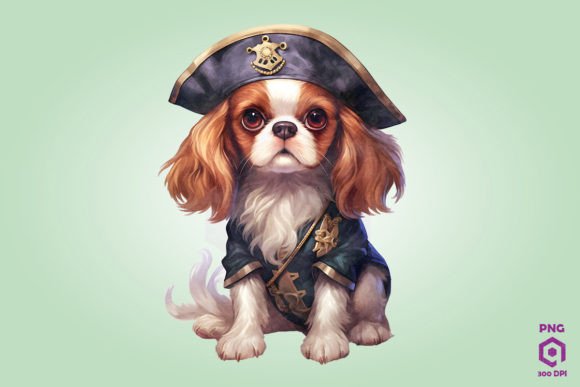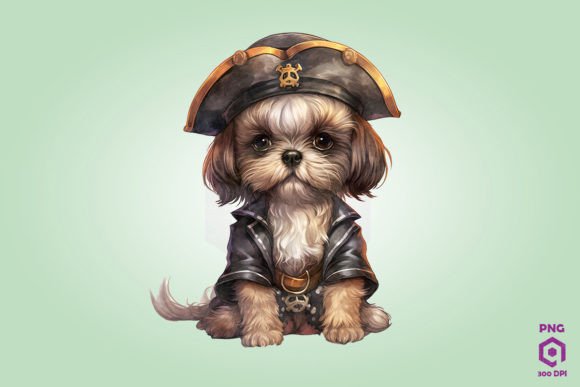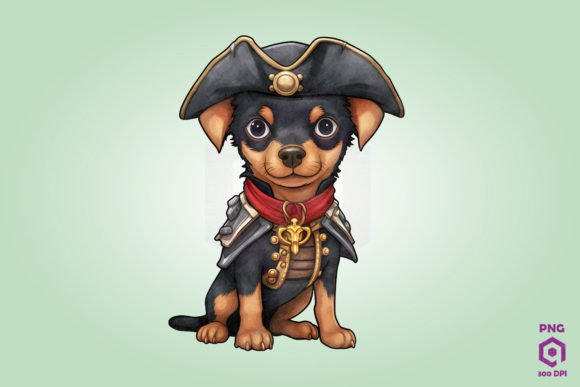
Doberman Pinscher Pirate Dog Clipart
As an embroidery designer with years of experience, I’ve seen countless clipart designs come and go. But when I stumbled upon the Doberman Pinscher Pirate Dog Clipart, it immediately caught my attention. The blend of a fierce dog breed with a pirate theme is not only unique but also highly versatile for a range of embroidery projects. Whether you're crafting custom apparel, personalized gifts, or small business merchandise, this design has potential—but it’s important to understand its strengths and limitations before using it in real-world applications.
The First Impression: A Bold and Playful Design
The Doberman Pinscher Pirate Dog Clipart immediately conveys a sense of adventure and personality. The character is stylized, with a clear focus on the dog’s features and the pirate elements like a hat, eye patch, and a sword. The layout is clean, making it easy to adapt for different sizes and formats. The level of detail is moderate—enough to make the design stand out without being overly complex. This makes it ideal for machine embroidery designs that require clarity and precision.
The visual personality of the design leans toward playful and whimsical, which fits well with themes like pet lovers, custom apparel, and holiday decorations. It's not the kind of design that would work well on something subtle or minimalist, but for a bold statement piece, it’s a strong choice.
Real-Life Embroidery Use Cases
I tested the Doberman Pinscher Pirate Dog Clipart on several fabric types and project types to see how it performed. On a standard cotton tote bag, the design looked great—especially when using a combination of satin stitch and fill stitch. The lines were crisp, and the details held up well. For a sweatshirt or t-shirt, the design worked well too, especially when using a medium stitch density to avoid puckering or distortion.
When I tried it on a baby onesie, I noticed that the design’s size was a bit large for such a small garment. That said, if scaled down appropriately, it could still be used effectively for baby embroidery projects. For caps or hats, the design required careful placement to avoid stretching or misalignment, especially on curved surfaces.
This clipart also works well as an embroidered patch. The design’s structure allows for easy applique or direct embroidery, depending on the fabric type. For a more professional look, using a stabilizer is recommended, especially on thinner or stretchy fabrics.
Where to Be Careful: Design Limitations
While the Doberman Pinscher Pirate Dog Clipart is visually appealing, there are some areas where caution is needed. The design includes intricate details, such as the dog’s facial features and the pirate accessories. These can be challenging to stitch on small hoop sizes, where the machine may struggle to maintain consistency. If you’re working on a tight space, consider simplifying or resizing the design accordingly.
On dark fabrics, the design might appear less vibrant, depending on the thread colors used. It’s a good idea to test the clipart on both light and dark backgrounds before committing to a final product. Additionally, on textured or stretchy fabrics, the design may not hold up as well unless proper stabilizers are used.
For commercial embroidery projects, it’s essential to confirm the licensing terms before selling finished products or digital files. While the design seems suitable for handmade products and Etsy listings, always double-check the usage rights to avoid any legal issues.
Impact on Visual Appeal and Customer Perception
One of the key factors in successful embroidery is how the design looks after stitching. The Doberman Pinscher Pirate Dog Clipart delivers a strong visual impact, especially when executed with care. Its bold lines and clear shapes make it instantly recognizable, which is great for brand consistency and customer recognition.
When used in custom apparel or personalized gifts, this design can elevate the perceived value of a handmade product. Customers often appreciate unique, themed designs, and this clipart offers a fun and creative option for pet lovers. It also adds a sense of professionalism to a craft business, whether you're selling at a craft fair or online through Etsy.
From a marketing perspective, the design is highly giftable. It works well for holidays, birthdays, or even as a special treat for dog owners. Its appeal is broad enough to attract a variety of buyers, from hobbyists to small shop owners looking for fresh design assets.
Practical Tips for Embroidery Designers
If you're planning to use the Doberman Pinscher Pirate Dog Clipart in your next project, here are a few practical tips to keep in mind:
- Test the design on scrap fabric first to ensure it looks good in your chosen thread colors and fabric type.
- Review the stitch density to avoid issues with puckering or distortion, especially on delicate materials.
- Confirm the hoop size needed for the design to fit comfortably without cropping or stretching.
- Inspect small details like the dog’s eyes or the pirate’s hat to make sure they translate well into embroidery.
- Test in black and white mockups to see how the design appears without color, which is useful for print-on-demand or digital product previews.
- Compare light and dark fabric backgrounds to determine the best thread color combinations for visibility and contrast.
- Use the right stabilizer for your fabric type to prevent shifting or warping during stitching.
- Check licensing terms before selling finished items or digital products to ensure compliance with any restrictions.
Final Thoughts: A Versatile Design with Thoughtful Application
The Doberman Pinscher Pirate Dog Clipart is a standout design that offers both creativity and functionality. It’s perfect for embroidery projects that require a bold, recognizable image, especially for pet-themed or adventurous-themed products. However, like any design, it requires thoughtful application to ensure the best results.
Whether you're an Etsy seller, a small shop owner, or a hobbyist, this clipart has the potential to enhance your product offerings. Just remember to test it thoroughly, consider the fabric and project type, and follow best practices for embroidery design execution.