Halloween Rottweiler Mummy Dog: A Designer's Take
When I first opened the Halloween Rottweiler Mummy Dog file, I had that moment every experienced designer knows: the split second where you decide whether a graphic will earn its place in your project folder or just sit collecting digital dust. This one made the cut, but not without a few notes. Let me walk through what works, what needs attention, and how this design performs when you move it from screen to stitched reality.
First Impressions and the Mood It Creates
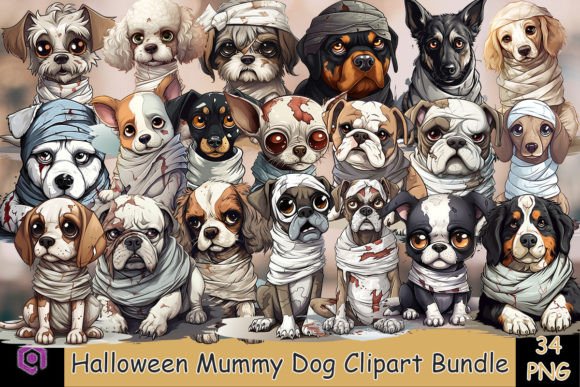
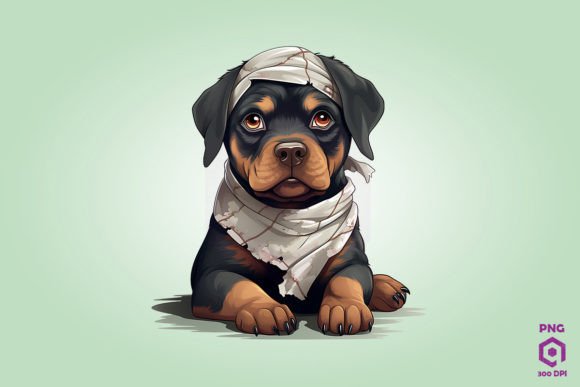
The Halloween Rottweiler Mummy Dog design lands somewhere between playful and spooky, which is a sweet spot for holiday embroidery. The concept of a Rottweiler wrapped in mummy bandages is inherently charming, and the artwork leans into that with a composition that feels balanced without being stiff. The dog's expression reads as curious rather than menacing, which broadens the audience. This isn't a horror show piece. It is a Halloween design you could stitch onto a toddler's sweatshirt or a gift for a dog-loving friend without anyone wincing.
As an Illustrations product, the line weight and shape language matter a lot for embroidery conversion. The bandages create natural segmentation, which helps with stitch breaks. The Rottweiler's signature markings are present enough to be recognizable, but they don't overwhelm the mummy theme. The overall silhouette is compact, which is a relief for hoop sizing. I would not call this a minimalist design, but it also avoids the trap of being too busy for small-scale stitching.
Where This Design Shines in Real Projects
Let me give you a real scenario. I was prepping a custom embroidered tote bag for a client who wanted a Halloween gift for her sister, a devoted Rottweiler owner. She wanted something that felt handmade but also polished enough to carry to work. I pulled up the Halloween Rottweiler Mummy Dog design and immediately thought about how the bandages would break up the stitch field, reducing the risk of distortion on a mid-weight cotton tote. The tote bag came out clean. The bandages read well as satin stitch accents, and the fill stitch areas in the dog's face stayed crisp after several uses.
This design also performs well on custom apparel like sweatshirts. The composition is centered and balanced, which makes it a natural front chest placement. I tested it on a dark heather grey sweatshirt using white and orange thread colors, and the contrast was strong. The mummy bandages benefit from a lighter thread, while the Rottweiler's dark patches hold their own with a deeper brown or black. For an embroidered patch project, I could see this design being digitized with a merrowed edge, especially if you plan to sell patches at craft fairs or on Etsy.
Other strong applications include baby embroidery items like bibs or onesies, provided you scale the design down and check stitch density. The playful Halloween vibe works for toddler wear without being scary. I also tried it on a pillow cover using a medium-weight linen, and the design held its shape well after stuffing and light use. For holiday embroidery gifts, this is a fast candidate for dog owners who love seasonal decor. Think kitchen towels with a small version of the Halloween Rottweiler Mummy Dog in the corner, or an apron for the dog lover who bakes Halloween treats.
For digital product sellers and Etsy sellers offering printable mockups, this design also works as a Graphics asset for creating pre-made product visuals. The bold shapes photograph well, and the theme is instantly recognizable. If you sell design assets or digital embroidery files, this could be a niche addition to a Halloween bundle, especially if you pair it with matching paw print or bone motifs.
Where to Use Caution
Not every fabric or hoop size loves this design. Here is where you need to test before committing.
- Small hoop sizes: If you are working in a 4x4 hoop, you will need to scale down the Halloween Rottweiler Mummy Dog carefully. The bandages and facial details can crowd together at smaller dimensions. Test a scaled version on scrap fabric before stitching a final product.
- Thin or stretchy fabric: The fill stitch areas, particularly in the dog's face and body, can pull on lightweight knits. Use a cutaway stabilizer and consider a topper if stitching on fleece or stretchy jersey.
- Curved surfaces like caps: The design is not naturally curved. If you want to place it on a cap front, you will need to adjust the digitizing to account for the dome shape. The bandages might distort if the design is too wide for the cap panel.
- Dark fabric: The mummy bandages rely on light thread to read clearly. On black or very dark fabric, make sure your white or cream thread has enough opacity. A white bobbin or a second layer of underlay can help.
- Products that need frequent washing: Kitchen towels, baby bibs, and blankets see a lot of wear. Check the stitch density before stitching on items that will be washed weekly. Dense fill areas can shrink or pucker over time if not stabilized properly.
Visual Appeal, Product Value, and Buyer Trust
The Halloween Rottweiler Mummy Dog design brings a strong emotional hook for dog owners, especially Rottweiler enthusiasts who rarely see breed-specific Halloween imagery. This niche appeal translates into higher perceived value for handmade products. A customer who owns a Rottweiler is more likely to pay a premium for a personalized gift that features their dog's breed in a creative context. I have seen this pattern with other breed-specific holiday designs, and this one follows the same logic.
From a brand consistency standpoint, the design fits well into a Halloween collection without clashing with other spooky themes. The visual tone is friendly enough to sit next to pumpkins, bats, and ghost motifs without looking out of place. For small business owners and creative entrepreneurs who sell at craft fairs, this design offers good giftability. It is the kind of item a customer buys for a friend who "has everything" but also has a Rottweiler. That recognition factor matters for buyer engagement and repeat sales.
For commercial embroidery projects, the design holds its own in terms of stitching clarity. The bandages create natural color breaks, which reduces the need for multiple thread changes while still giving a detailed look. This is efficient for production runs. I would estimate that a well-digitized version of this design could stitch in under 15,000 stitches, depending on the level of detail, which makes it feasible for small shop products where time per item matters.
Practical Designer Notes Before You Stitch
Before you load the file and hit start, here is the checklist I run through with any new design, and the Halloween Rottweiler Mummy Dog is no exception.
- Test on scrap fabric first. I cannot stress this enough. The bandages may look fine on screen, but on fabric, the gaps between them need to be wide enough to register as separate bands. If they are too narrow, they will blur into a white blob at small scale.
- Check thread color contrast. The Rottweiler's dark patches and the mummy wrapping need to contrast clearly. I recommend a bright white or cream for the bandages and a deep brown or charcoal for the dog's face. Avoid using off-white on off-white fabric.
- Review stitch density. If the design has dense fill areas, especially in the dog's head or body, you may need to reduce density for softer fabrics. Dense stitching on a flannel shirt can cause the fabric to pucker.
- Confirm hoop size. The design fits best in a 5x7 or larger hoop. If you are limited to a 4x4, scale down cautiously and check that the bandages still read as separate elements.
- Test in black and white mockups. Print a grayscale version of the design to see if the shapes hold their own without color. This helps identify areas where two similar tones might merge when stitched.
- Compare light and dark fabric backgrounds. The design reads differently on a white tee versus a black hoodie. Stitch a test on both backgrounds to see which version you prefer for your product line.
- Use proper stabilizer. For most woven fabrics, a tear-away stabilizer is fine. For knits or stretchy materials, use a cutaway stabilizer to prevent distortion. If you are stitching on towels or terry cloth, a water-soluble topper will keep the stitches from disappearing into the nap.
- Check licensing before selling. Since the product is listed as Illustrations and includes terms like Halloween Rottweiler Mummy Dog Clipart PNG and sublimation, you need to confirm whether the license covers commercial use for embroidered products sold in your shop. Licensing terms vary, so read the fine print before you list finished items or digital embroidery files for sale.
- Test it as a design asset. If you plan to use the design in printable mockups or digital previews, make sure the PNG resolution is high enough to look professional at full size. Low-resolution assets can hurt your product presentation.
Final Thoughts for the Craft Business Owner
The Halloween Rottweiler Mummy Dog design is a solid addition to a Halloween embroidery lineup, especially if you serve dog owners or holiday shoppers looking for something outside the standard cat and pumpkin motifs. It is not an all-purpose design, but it does not need to be. Its strength lies in its niche appeal and its balanced composition that translates well to multiple product types, from sweatshirt embroidery to tote bag design to embroidered patch projects.
For hobbyists and makers, this is a fun weekend project that will get attention at holiday gatherings. For Etsy sellers and small shop products, it offers a way to differentiate your Halloween offerings with breed-specific merchandise. Treat it like any new machine embroidery design: test it, adjust it, and know your fabric before you promise a finished product. If you do that, the Halloween Rottweiler Mummy Dog will earn its place in your project rotation.