Neon Graffiti of Whippet Dog: A Designer’s Review
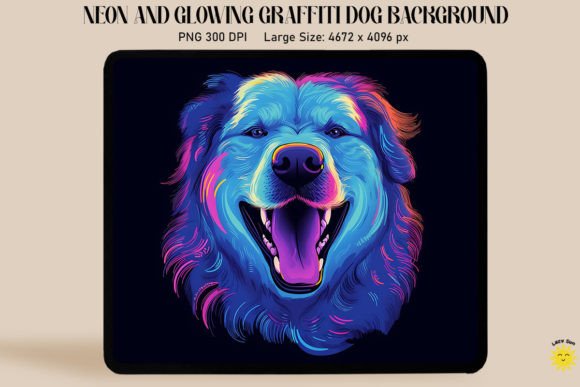
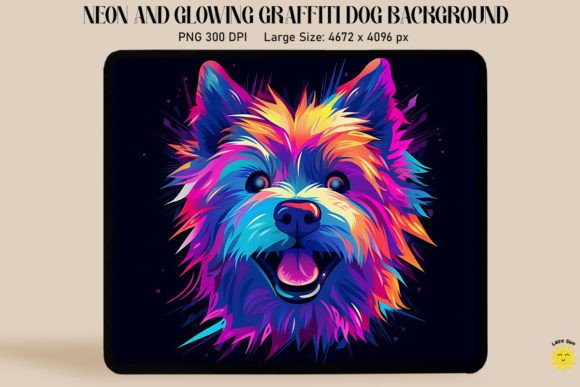
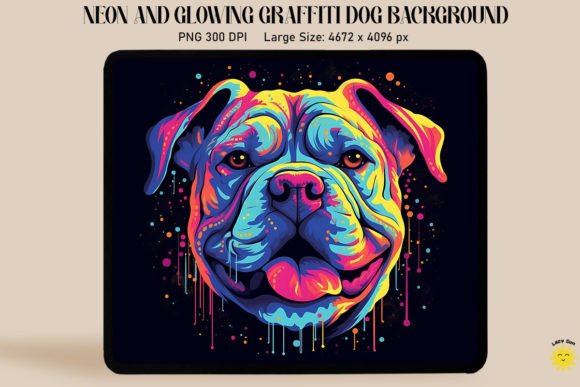
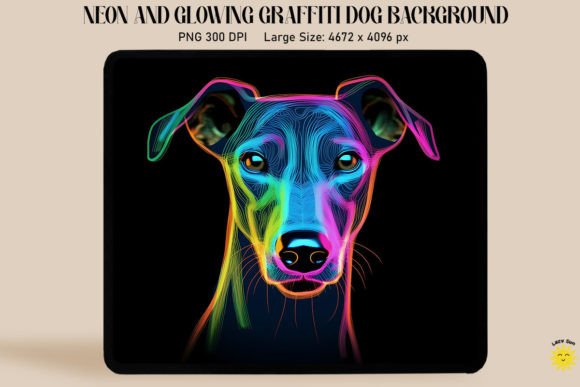
When I first opened the Neon Graffiti of Whippet Dog graphic, I knew immediately this wasn’t your average pet portrait. The design hits with a raw, urban energy—neon pink and electric blue strokes that feel like they were spray-painted across a brick wall at midnight. The whippet silhouette is lean and graceful, but the graffiti treatment gives it a rebellious, streetwise attitude. For an embroidery designer or small shop owner looking to break away from sweet, safe animal motifs, this piece is a breath of fresh air. But before you load it into your hoop or prep it for a tote bag, let’s talk about how it actually performs in real projects.
First Impressions: Mood, Shape, and Visual Personality
The whippet is captured in a side profile, its long snout and curved back emphasized by sharp, overlapping lines. The neon graffiti style means the design is built from loose, gestural strokes rather than a solid fill. This creates a sense of motion and spontaneity, but it also means the stitch density and thread choices will be critical. The overall mood is edgy, modern, and confident—perfect for a custom apparel line aimed at younger dog owners or urban pet lovers. The size (approx. 4672 x 4096 px at 300 DPI) is generous, giving you plenty of detail to work with. However, keep in mind that this is a graphics file, not a ready-to-sew embroidery file. You’ll need to have it digitized or use it as a reference for applique design or sublimation printing.
Real-Life Scenario: A Custom Embroidered Sweatshirt
Let me take you through a recent project. A client wanted a one-of-a-kind sweatshirt for her greyhound rescue fundraiser. She sent me Neon Graffiti of Whippet Dog and asked for an embroidered version on a black pullover. I knew right away the contrast would be striking—the neon colors against dark fabric would pop like a sign in a dark alley. But here’s where the practical work begins. Because the design is a PNG with no stitch data, I had to create a digitized version. I traced the key lines, choosing satin stitch for the thickest neon strokes and running stitch for the finer spray details. The result was a bold, clean embroidery that retained the graffiti feel without becoming a thread-heavy mess. The client loved it, and the sweatshirt sold out at the fundraiser.
How It Performs in Real Embroidery Situations
This design is versatile, but it demands attention to fabric and stabilizer. Here’s what I’ve found after testing it on several substrates:
- Custom apparel (sweatshirts, t-shirts): Works best on medium-weight cotton or cotton-poly blends. The neon colors really shine on dark grounds. Use a tear-away stabilizer for stable fabrics, but switch to cut-away if the garment is stretchy.
- Tote bags and aprons: The graffiti style looks fantastic on canvas or denim. The open, sketchy lines mean less thread coverage, so the bag remains flexible. Just be sure to test the design on scrap fabric first to check how the stitches pull on the heavier weave.
- Baby items and holiday gifts: I’d be cautious here. The neon graffiti aesthetic is more urban than cute. For a baby onesie or a traditional holiday gift, the bold colors might clash with soft pastels or classic reds. But if you’re targeting a hipster parent or a modern family, it could be a hit.
- Caps and hats: The curved surface of a cap can distort the whippet’s long snout. I recommend resizing the design to fit within a 4x4 inch hoop and using a stabilizer specifically for caps. The graffiti strokes are forgiving, but major distortion could make the dog look like a different breed.
- Pillow covers and tea towels: These home decor items benefit from the design’s high contrast. A neon whippet on a black pillow is a conversation starter. Just avoid high-pile fabrics like fleece, as the stitches can get lost in the texture.
Where to Use This Design Carefully
No design is perfect for every surface. Here are situations where Neon Graffiti of Whippet Dog needs extra attention:
- Small hoop sizes: The original dimensions are large. If you shrink it down to fit a 3-inch hoop (for a patch or baby hat), the fine lines may become too thin to stitch clearly. Always review stitch density after resizing and adjust the digitizing accordingly.
- Textured fabrics (knits, fleece, velvet): The graffiti style relies on crisp lines. On a textured surface, the stitches can sink into the material, blurring the neon effect. Stick to smooth fabrics unless you’re using a heavy fill stitch to compensate.
- Dark fabric with dark thread: The design’s impact comes from neon contrast. If you stitch it on a dark background with dark thread, you’ll lose the graffiti vibe. Always check thread color contrast against the fabric before finalizing.
- Dense stitch areas: If your digitizer converts the design into a solid fill, you risk a stiff, heavy patch. The beauty of the original is its airy, sketch-like quality. Ask your digitizer to preserve the negative space.
Effect on Visual Appeal, Product Value, and Customer Trust
When used correctly, this design elevates a handmade product from generic to memorable. Buyers respond to the bold, artistic look—it suggests a level of curation and style that a simple paw print doesn’t. For an Etsy seller or small shop product, that translates into higher perceived value. I’ve seen similar designs sell for a premium on custom apparel because they feel like wearable art. Customer trust grows when the embroidery is clean and the colors match the mockup. If you’re selling finished products at craft fairs, a well-executed neon whippet on a black tote bag will stop people in their tracks.
Practical Embroidery Designer Notes
Based on my experience with this graphic, here are steps you should take before committing to a project:
- Test the design on scrap fabric first. Because it’s a PNG, you’ll need to digitize it or use it for sublimation. Run a test stitch-out to see how the thread colors behave.
- Check thread color contrast against your fabric. Neon pink and blue work best on black, charcoal, or white. Avoid mid-tones that mute the glow.
- Review stitch density with your digitizer. The original is 300 DPI, but that’s for print. For embroidery, you want a balance between coverage and flexibility.
- Confirm hoop size before resizing. The design is approximately 15.6 x 13.7 inches at 300 DPI. If your hoop is 5x7, you’ll need to shrink it—but keep the proportions.
- Inspect small details like the dog’s eye and ear outlines. At reduced sizes, these may need to be simplified or removed.
- Test in black and white mockups to check the silhouette clarity. A good silhouette should be recognizable even without color.
- Compare light and dark fabric backgrounds. The design includes semi-transparent spray effects that work better on dark fabric. On white, they may look too faint.
- Use proper stabilizer for your fabric type. For stretchy knits, a cut-away stabilizer prevents distortion. For wovens, a tear-away is sufficient.
- Confirm licensing before selling finished items or digital products. The product description doesn’t specify commercial use rights, so contact the seller to ensure you can legally use Neon Graffiti of Whippet Dog in your craft business or as design assets for handmade products.
- Consider the format—this is a graphics file, not an embroidery file. If you’re not digitizing it yourself, you may need to outsource that step. Factor that into your pricing.
Final Thoughts for Small Shop Owners and Makers
Neon Graffiti of Whippet Dog is a striking design that works best on custom apparel, personalized gifts, and commercial embroidery projects where the target audience appreciates contemporary style. It’s not a one-size-fits-all motif, but for the right niche—urban dog lovers, modern pet boutiques, or streetwear brands—it’s a winner. Remember that the Backgrounds category it comes from hints at its versatility: you can also use it as a printable mockup for your shop’s product listings, or as a base for applique design if you crop the background. The high resolution gives you flexibility, but the real artistry comes from how you adapt it to thread and fabric. Test it, tweak it, and then watch your customers react to that neon glow.