Poodle Dog in Pajamas: A Design Review for Real Embroidery Projects
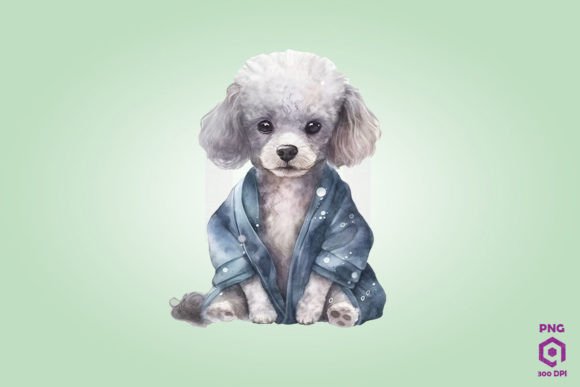
When I first opened the Poodle Dog in Pajamas illustration, I immediately recognized the kind of design that could either charm a customer or frustrate a stitcher, depending on how it is handled. The mood here is playful, cozy, and a little cheeky. A poodle bundled up in pajamas is not just a cute image; it carries a sense of warmth and personality that appeals to pet lovers, gift buyers, and anyone who appreciates a touch of whimsy in their handmade products. As someone who has tested hundreds of embroidery files for real shop use, I can tell you this design has genuine potential, but it also demands a thoughtful approach before you commit it to fabric.
First Impressions and Visual Personality
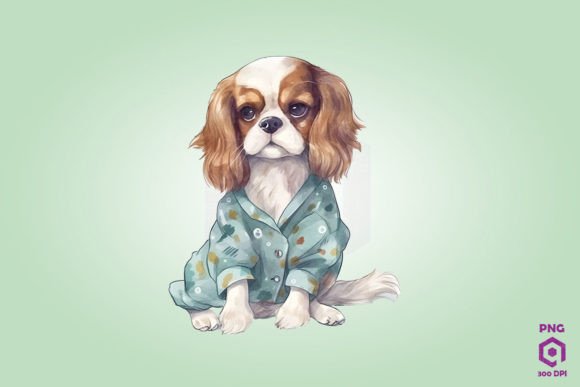
The illustration presents a poodle in sleepwear, and the charm lies in the contrast between the dog's elegant silhouette and the casual, soft look of pajamas. The shape is rounded and inviting, with enough detail to read as a poodle without being overly fussy. The pajamas add a narrative element; this is not a formal portrait of a dog, but a moment of relaxed, indoor life. That makes it highly relatable for customers who see their own pets as family members. The design feels equally suited for a child's room, a dog lover's wardrobe, or a quirky gift item for a friend who adores their poodle. The layout is compact enough to fit standard hoop sizes, but the level of detail in the facial features and the pajama pattern will determine how well it stitches out.
Where Poodle Dog in Pajamas Shines in Real Projects
In my own work, I immediately thought of using this design on a custom tote bag for a local pet boutique. The tote bag is a product that benefits from bold, readable imagery, and the pajama theme gives the bag a conversational quality. Customers at craft fairs and Etsy shops respond well to designs that tell a story, and this one does. The same applies to sweatshirt embroidery and t-shirt embroidery, where the softness of the garment complements the cozy pajama theme. For custom apparel like baby clothes or toddler sweatshirts, the design's playful nature fits naturally. I also see strong potential for embroidered patches, especially if you want to offer a sew-on or iron-on product that can be applied to jackets, backpacks, or denim. The patch format allows you to control the fabric and stabilizer, which is a smart way to handle designs with moderate detail.
For home decor, pillow covers and tea towels are excellent candidates. A set of kitchen towels with a pajama-clad poodle makes a unique gift for dog owners who have everything. Holiday embroidery projects could also work if the pajamas are treated as a seasonal motif; think cozy winter nights or Christmas morning gifts. The design is versatile enough to cross into nursery decor and personalized gifts for new pet parents, provided the stitching is clean and the colors are chosen carefully.
When You Need to Approach with Caution
Not every product is a natural fit for this design. Small hoop sizes can be problematic if the illustration has fine details, particularly in the eyes, nose, and the folds of the pajamas. If you are working with a 4x4 hoop, you may need to simplify or enlarge the central elements to avoid losing clarity. Textured fabrics like fleece, thick terry, or heavy knits can obscure the subtle lines of the dog's face, so I recommend testing on a scrap piece first. Stretchy fabric such as performance wear or lightweight jersey requires careful stabilization, otherwise the pajama details may distort. Dark fabric is another consideration; the poodle's face and the pajama design need sufficient contrast to remain visible. If the illustration uses light tones, you will want to adjust thread colors or use a white underlay to keep the design crisp.
For caps and hats, the curved surface can distort the shape of the poodle's head and the pajama collar. I would advise against using this design on caps unless you are comfortable with hooping techniques and have tested the layout on a curved surface. The same caution applies to layered garments like jackets with multiple fabric panels, where the design may need to be placed on a flat area to avoid puckering.
How This Design Affects Product Value and Customer Trust
When a customer sees a beautifully embroidered poodle in pajamas on a tote bag or sweatshirt, they perceive the item as a thoughtful, handmade product. The handmade product market thrives on uniqueness, and this design delivers that. It sets your shop apart from generic mass-produced items. However, if the stitching is messy, the thread colors clash, or the details are lost, the same design can undermine your brand consistency and professionalism. Buyers are quick to notice when a design looks cheap or rushed. For Etsy sellers and small shop owners, every stitch matters. The giftability of the finished product depends on how well the design is executed. A crisp, well-placed embroidery elevates a simple tote bag into a premium personalized gift. A sloppy stitch job, on the other hand, hurts customer trust and reduces the likelihood of repeat purchases.
For commercial embroidery projects, where you are producing items for a client's boutique or event, the visual appeal of this design can be a strong selling point. Pet-related products have a loyal audience, and the pajama theme adds a layer of humor and warmth that resonates with buyers. When the design is stitched cleanly, it enhances the finished product and makes the item feel like a keepsake.
Practical Designer Notes Before You Stitch
Before you load this embroidery file into your machine, there are several steps I always follow with a design like this. First, test it on scrap fabric that matches the weight and texture of your final product. This is non-negotiable. You need to see how the satin stitch, fill stitch, and any running stitch details behave. Check the stitch density; if the pajama pattern or the dog's curls are too dense, the fabric may pucker or the thread may break. If the density is too low, the design may look sparse. Adjust your stabilizer accordingly. For stretchy fabrics, use a cutaway stabilizer. For stable fabrics like cotton or denim, a tearaway may suffice.
Second, review the thread colors carefully. This design works best with a limited palette that emphasizes contrast. The poodle's face should stand out clearly from the pajamas. If the pajamas have a pattern or stripes, consider whether you want to replicate that with thread changes or keep it simple with a solid fill. I recommend testing the design in black and white mockups first to see if the shapes read well without color. Then test it on both light and dark fabric backgrounds to confirm that the design remains visible and balanced.
Third, confirm hoop size before you commit. If the design is sized for a larger hoop and you try to squeeze it into a smaller one, you will lose detail and may cause registration errors. If the design is too small for your hoop, consider using a multi-hooping technique or resizing the design in your software, but be aware that resizing can affect stitch density and detail.
Fourth, check the licensing for any digital embroidery file or design assets you are using. If you plan to sell the finished items or use the design in commercial embroidery projects, make sure you have the right to do so. This is especially important for Etsy sellers and craft business owners who produce items in quantity. The same applies if you are using the design as part of printable mockups or digital product previews; respect the creator's terms.
Final Thoughts on Real Use
The Poodle Dog in Pajamas design, as part of the Illustrations category in Graphics, offers a strong emotional hook for pet lovers and a versatile look for a range of projects. It is not a design you can rush through; it requires testing, proper stabilization, and thoughtful color choices. But when handled well, it produces a finished product that feels personal, professional, and genuinely charming. Whether you are making a one-of-a-kind personalized gift for a friend or building a small shop product line for a craft fair, this design has the character to stand out. Just take the time to understand its strengths and limitations, and your customers will feel the difference.