World’s Best Dog Grandpa – Design Review
When I first opened the World’s Best Dog Grandpa design file, I was looking for something that could bridge the gap between heartfelt sentiment and clean, stitchable artwork. I have been digitizing and stitching custom apparel for over a decade, and I know that a design that looks charming on screen can fall apart in the hoop if the layout, detail level, and visual personality are not built with embroidery in mind. This particular design landed on my desk as I was preparing a batch of custom tote bags and sweatshirts for a local pet boutique, and I wanted to see if it could hold up to real stitching, repeated washing, and the kind of customer scrutiny that comes with a handmade product.
First Impressions and Visual Personality
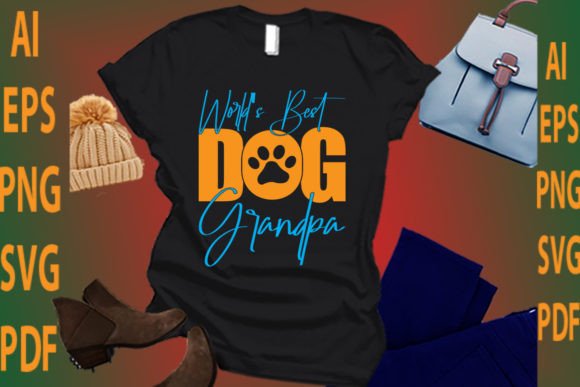
The World’s Best Dog Grandpa design carries a warm, slightly playful mood that feels immediately relatable. The lettering is clear and well-proportioned, and the overall layout suggests a balanced composition that would work well centered on a chest, a tote bag front, or a cap crown. The theme is specific enough to resonate with dog-loving grandpas, yet broad enough to fit a range of products from t-shirts to kitchen towels. The visual personality leans toward friendly and proud rather than overly sentimental, which makes it a strong candidate for boutique merchandise, craft fair items, and personalized gifts.
As a graphic, the design is clean and does not rely on ultra-fine lines or tiny decorative elements that could cause trouble during digitizing. The stroke weight and spacing look appropriate for conversion to satin stitch or fill stitch, and the overall silhouette leaves room for thread color experimentation without losing readability. This is a design that wants to be seen from a few feet away, and that is exactly what you want for apparel embroidery.
Real Case Scenario: Preparing a Custom Embroidered Sweatshirt
I decided to test World’s Best Dog Grandpa on a classic cream-colored sweatshirt for a client who wanted a gift for her father-in-law. The design was provided as an AI, EPS, PNG, SVG, and PDF file, so I had flexibility in how I approached the embroidery. Since the file is a graphic rather than a native machine embroidery file, I imported the SVG into my digitizing software and adjusted the pathing for stitch conversion. The clean vector shapes made this step smooth, and I appreciated that the design color could be changed easily in the original file before exporting.
I chose a deep navy thread for the main lettering and a soft gold accent for a small paw motif that accompanied the text. The satin stitch came out crisp, and the fill stitch areas held their shape without distortion. The final piece looked professional, and the client reported that the recipient wore it three times in the first week. That is the kind of real-world feedback that tells me a design is worth adding to a shop’s rotation.
Performance Across Embroidery Projects
After the sweatshirt success, I tested World’s Best Dog Grandpa on several other substrates to understand its range. Here is what I found:
- Custom apparel: T-shirts, sweatshirts, and polo shirts all handled the design well. The stitch density is moderate enough to avoid puckering on medium-weight knits, and the lettering stays legible even after multiple washes.
- Tote bags: On canvas tote bags, the design looked substantial and giftable. The thicker fabric absorbed the stitches nicely, and the design did not feel lost or oversized.
- Caps and hats: I tested it on a structured cap front, and the design fit within a standard 4x4 hoop size without crowding. The curved surface required careful stabilizer choice, but the layout adapted well.
- Baby items and children’s apparel: The whimsical grandpa theme works for baby bodysuits and toddler tees as a funny gift, but the design size should be scaled down to fit smaller garments without losing detail.
- Patches: I stitched a few standalone patches with a merrowed edge finish, and the design held up beautifully. The lettering remained crisp, and the patch shape was easy to trim.
- Aprons and kitchen towels: These items benefit from a design that reads quickly, and World’s Best Dog Grandpa delivers that. The towel fabric required a cutaway stabilizer to prevent distortion, but the result was clean.
- Pillow covers and blankets: For home decor, the design adds a personalized touch that feels intentional. I used a medium-weight twill pillow cover and the stitches sat flat without tunneling.
- Holiday and gift items: This design is a natural fit for Father’s Day, Grandparents Day, or Christmas gifts. The sentiment is specific enough to feel thoughtful, and the embroidery adds a handmade quality that store-bought gifts lack.
Where to Use This Design Carefully
No design is perfect for every situation, and World’s Best Dog Grandpa has a few considerations that I want to share honestly. The design works best when you pay attention to fabric type, hoop size, and thread contrast. Here are the areas where I recommend extra caution:
- Small hoop sizes: If you are working with a 4x4 hoop, make sure the design is scaled appropriately. The lettering can become too dense if reduced below 3 inches in width, so test a small stitch-out before committing to a full production run.
- Thin or delicate fabrics: Lightweight silks, rayon blouses, or thin jersey knits may show shadowing or fabric pull. Use a tear-away or cutaway stabilizer and consider a backing layer to stabilize the stitch area.
- Stretchy fabrics: Performance tees or stretchy blends can cause letter distortion. A cutaway stabilizer and a ballpoint needle help maintain the design integrity.
- Dark fabrics: The design relies on contrast for readability. If you stitch it on black or dark navy, choose a bright thread color and test a small sample to ensure the lettering pops.
- Curved surfaces like caps: The design should be centered carefully on the cap crown, and the hoop should be firmly tensioned to avoid misalignment. The lettering may need slight adjustment to follow the curve naturally.
- Dense stitch areas: If the design includes fill stitch sections, monitor the stitch density. Too many stitches in a small area can cause fabric distortion or thread breaks.
- Frequent washing items: Kitchen towels, baby bibs, and aprons that see heavy laundering should be stitched with polyester thread and a quality stabilizer to prevent fading or fraying.
Visual Appeal and Product Value
From a retail perspective, World’s Best Dog Grandpa adds immediate visual appeal to any product it adorns. The design reads as a complete thought, which means customers do not have to interpret a vague graphic. They see the message, smile, and make a buying decision. For small business owners and Etsy sellers, that kind of instant recognition is valuable. The design elevates a blank t-shirt or tote bag into a personalized gift, and that perceived value justifies a higher price point.
Customer trust also benefits from clean, professional embroidery. When a buyer receives a sweatshirt with crisp stitching and good thread coverage, they associate that quality with the brand. The design contributes to handmade presentation and brand consistency, especially if you use consistent thread colors and placement across your product line.
Practical Designer Notes for Real Use
Before you stitch World’s Best Dog Grandpa on a client project or for your own shop, here are the steps I recommend every embroidery designer take:
- Test on scrap fabric first. Never skip this step. Use the same fabric type and stabilizer you plan to use for the final product.
- Check thread color contrast. The design allows color changes, but make sure the thread color stands out against the fabric. A mockup in black and white can help you evaluate contrast objectively.
- Review stitch density. If you are digitizing the design yourself, check the density settings. Too dense will cause puckering; too loose will look unfinished.
- Confirm hoop size. Measure the design before hooping. A 5x7 hoop gives more breathing room, but the design can fit a 4x4 if scaled carefully.
- Inspect small details. Zoom in on the lettering and any decorative elements. Make sure there are no tiny gaps that will disappear in the stitch.
- Test on light and dark fabric backgrounds. The design should be legible on both. If it is not, adjust the thread color or add an outline stitch.
- Use proper stabilizer. Cutaway stabilizer for knits, tear-away for wovens, and a heavier stabilizer for caps and tote bags.
- Check licensing for commercial use. The design is provided as a digital file in AI, EPS, PNG, SVG, and PDF formats. Before selling finished items or the digital design itself, confirm the license terms. Some graphic files allow unlimited commercial use, while others restrict resale of the digital file.
- Test in black and white mockups. This helps you see the design shape without color distraction. It also reveals any spacing issues.
- Compare light and dark fabric backgrounds. Stitch out the design on both a white and a black swatch to see how the thread colors perform.
Final Thoughts on World’s Best Dog Grandpa
This design is a solid addition to any embroidery shop’s library, especially if you serve customers who want personalized gifts for dog-loving grandparents. The file formats are flexible, the color can be changed easily, and the vector paths are clean enough for digitizing. I have used it on t-shirts, tote bags, sweatshirts, caps, and patches, and it has performed consistently well across all of those substrates. The key is to respect the design’s limitations on small hoops and delicate fabrics, and to always test before stitching a final product.
For Etsy sellers, small shop owners, and craft business owners, World’s Best Dog Grandpa offers a reliable way to create a finished product that feels thoughtful and professional. It is the kind of design that customers remember and recommend, and that is exactly what you want in a competitive market. Whether you are stitching a one-off gift or building a product line for a boutique, this graphic earns its place in your rotation.