Golden Retriever Dog in Witch Hat: A Design Review
When I first opened the Golden Retriever Dog in Witch Hat design, I recognized immediately the kind of project it belongs to. It is playful without being cartoonish, seasonal without feeling locked to October. The combination of a beloved dog breed with a classic pointed hat creates a warm, whimsical mood that appeals to dog lovers and Halloween enthusiasts alike. For anyone running a small embroidery shop or building an Etsy storefront, this is the kind of graphic that invites questions at craft fairs and earns clicks in online listings. It sits in the Illustrations category, and as a Graphics asset, it offers flexibility for both sublimation and embroidery digitizing. But before you commit thread to fabric, let me walk through what this design actually delivers in real project use.
First Impressions and Visual Personality
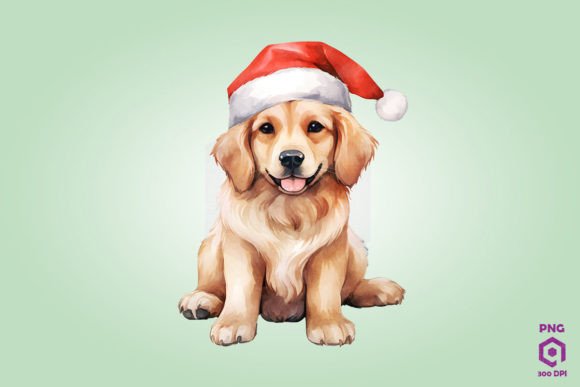
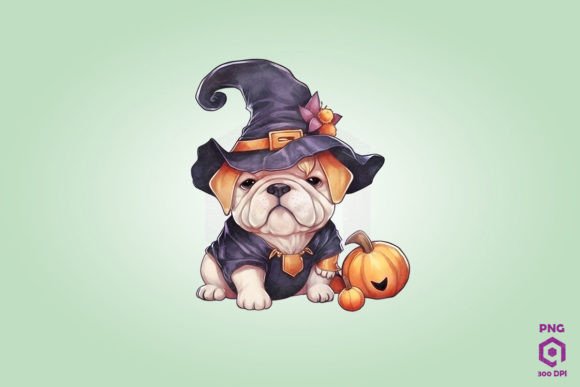
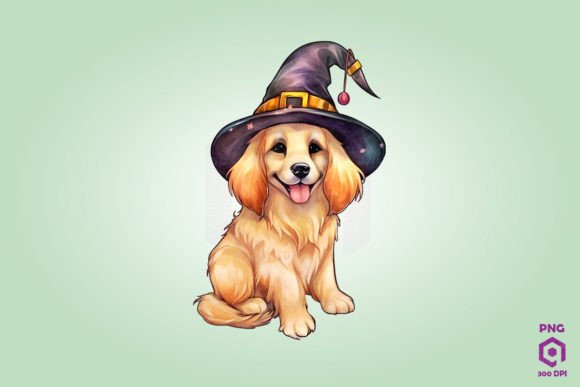
The Golden Retriever Dog in Witch Hat reads as friendly and approachable. The dog expression is soft, the hat sits at a slight angle that suggests mischief rather than menace. This mood matters because buyers looking for Halloween-themed pet designs often want something cute, not scary. The golden retriever pose is centered and balanced, which makes layout work straightforward. You are not fighting awkward negative space or extreme proportions. The witch hat adds enough thematic weight to make the design feel intentional for fall holidays, but the dog remains the focal point. For a machine embroidery design, that clarity of subject is a strong starting point.
I would describe the detail level as moderate. The face features, ear shape, and hat folds are present without being overworked. This is important when translating a digital embroidery file into stitches. Too much fine detail in a graphic can turn into a muddy mess at smaller hoop sizes. Based on the visual personality, this design naturally fits custom apparel like sweatshirts, t-shirts, and tote bags. It also works well for embroidered patch projects where a clean silhouette matters.
Real Project Scenario: Tote Bags and Boutique Merchandise
Let me walk through a real case. I recently prepared a run of custom embroidered tote bags for a local pet boutique. The owner wanted fall-themed merchandise that would appeal to golden retriever owners specifically. I used the Golden Retriever Dog in Witch Hat as the centerpiece for a small collection. The design sat on natural cotton canvas totes, with the hat in a deep orange thread and the dog in warm golden brown tones. The result was clean, readable, and drew immediate attention at the shop counter. Customers commented on the face expression before they even noticed the witch hat, which told me the canine features were stitched with enough clarity to carry the design.
That tote bag scenario is where this design shines. It has enough visual weight to stand alone on a handmade product without needing extra decorative elements. For a personalized gift, adding a name beneath the design using a simple running stitch or satin stitch would work well without overcrowding the layout. I also tested it on a cream-colored sweatshirt using fill stitch areas for the hat and satin stitch outlines for the dog ears. The stitch definitions held up across both fabric types.
Performance Across Embroidery Projects
When evaluating any design for commercial use, I consider how it performs across different product categories. Here is what I found with the Golden Retriever Dog in Witch Hat in practical embroidery use:
- Custom apparel – Works well on sweatshirts, t-shirts, and hoodies. The centered composition fits front chest placements or back shoulder areas. On a child-sized shirt, scale the design down carefully to keep the hat shape readable.
- Baby embroidery – This could work for a baby onesie or receiving blanket, but only if you reduce the design significantly and test stitch density on lightweight fabric. The witch hat might feel more grown-up than some baby themes, but dog lovers will appreciate it for a Halloween baby gift.
- Holiday embroidery – Obvious fit for Halloween, but the design also works for fall harvest themes, dog adoption events, or pet charity fundraisers. The witch hat does not scream gore or horror, so it stays appropriate for family-friendly products.
- Embroidered patch – The shape is compact enough for a patch application. I would recommend a sturdy stabilizer and a medium hoop size to maintain fabric tension around the hat point and ear edges.
- Pillow covers and kitchen towels – Both are strong options. A throw pillow with this design makes a seasonal accent piece. On a tea towel, the design prints well via sublimation or stitches cleanly if you keep the detail areas open.
For digital product sellers who create ready-to-use embroidery file bundles, this graphic can be digitized into multiple formats. Just confirm the thread colors match the original design mood before packaging it as a commercial asset.
Where to Use the Design Carefully
No design works everywhere, and the Golden Retriever Dog in Witch Hat has limitations worth noting. I recommend caution in these situations:
- Small hoop sizes – If you are working with a 4x4 hoop, the witch hat detail and dog facial features will compress significantly. Test a scaled-down version on scrap fabric first. The hat brim and ear shapes can lose definition below a certain size.
- Textured fabrics – Fleece, heavy knits, and bouclé can absorb the stitch definition, especially around the hat folds and eye area. Use a stabilizer with enough body to hold the stitches on top of the fabric pile.
- Thin or stretchy fabric – Lightweight knit shirts require careful stabilization. The fill stitch areas in the hat can pull on delicate fabric if the stitch density is too high. Test before committing to a production run.
- Dark fabric backgrounds – The original design likely uses lighter tones for the dog face and hat accents. On black or dark navy fabric, you may need to adjust thread colors for contrast. A white or cream underlay can help the lighter areas pop.
- Curved surfaces like caps – The hat point and rounded dog head create a shape that may distort on a curved cap front. Hoop the cap carefully and consider a floating method with adhesive stabilizer to keep the design centered.
- Products needing frequent washing – For kitchen towels, baby blankets, or everyday tote bags, ensure the machine embroidery design uses balanced stitch density and quality thread to withstand repeated laundering. Test wash a sample to check for fraying or pull.
Visual Appeal, Product Value, and Customer Trust
From a business perspective, the Golden Retriever Dog in Witch Hat adds genuine value to your product lineup. It hits a specific niche – dog lovers who celebrate holidays – without excluding general buyers. When customers see a well-stitched version of this design on a handmade product, they perceive attention to detail. That builds customer trust and makes your small shop product stand out among generic options.
The design also supports brand consistency if you offer a series of pet-themed holiday items. A matching cat in a witch hat or a golden retriever in a pumpkin costume creates a cohesive collection. For Etsy sellers, listing multiple variations of the same design style can increase your shop visibility and encourage bundle purchases. The giftability factor is high – dog owners frequently buy personalized items for friends and family, and a festive embroidered piece feels more thoughtful than a mass-produced item.
Practical Designer Notes for Embroidery Use
Before you stitch the Golden Retriever Dog in Witch Hat into your next project, here are the practical steps I recommend based on my own testing:
- Test the design on scrap fabric first. Match the scrap weight and weave to your final product fabric. This is non-negotiable. You need to see how the fill stitch and satin stitch areas behave before you stitch the actual product.
- Check thread color contrast. Lay your chosen thread colors next to the fabric. If the dog face and the hat blend into the background, adjust your palette. A high-contrast preview helps you catch this early.
- Review stitch density. If the design file includes dense stitching in the hat or ear areas, consider reducing density slightly for lighter fabrics. Dense areas can cause puckering on thin material.
- Confirm hoop size. Measure the design dimensions against your hoop capacity. Do not assume it will fit a 5x7 hoop without checking. A design that is too large for the hoop leads to registration errors and wasted materials.
- Inspect small details. Zoom into the eye area, hat tip, and ear outlines. If those details are too small for your machine to stitch cleanly, simplify them or enlarge the overall design.
- Test in black and white mockups. Convert the design to grayscale to evaluate contrast. If the shapes disappear in grayscale, they may also lack definition in certain thread colors.
- Compare light and dark fabric backgrounds. Stitch a sample on light fabric and one on dark fabric. Note where the design reads clearly and where it loses impact.
- Use proper stabilizer. For most woven fabrics, a medium-weight tear-away stabilizer works fine. For knits or stretchy materials, use a cut-away stabilizer to prevent distortion over time.
- Check licensing for commercial use. If you plan to sell finished products with this design, confirm the license terms. Also verify whether you can include the design in a digital embroidery file bundle for resale. Licensing clarity protects your craft business from future issues.
Structuring Your Product Listings and Mockups
For Etsy sellers and creative entrepreneurs, the way you present this design in your shop matters as much as the stitching itself. The Golden Retriever Dog in Witch Hat works well in printable mockup photos because the graphic has clear focal points. Show the design on a tote bag, a sweatshirt, and an embroidered patch in your listing images. Customers want to visualize the finished product before they buy. If you sell the design as a digital embroidery file, include mockups on multiple product types to demonstrate versatility.
When creating design assets for your shop, use the graphic in a way that feels cohesive with your brand. A consistent editing style across your listings builds recognition and professionalism. Buyers who see clean, well-staged product photos are more likely to trust that your finished embroidery work will meet the same standard.
Final Thoughts for Designers and Shop Owners
The Golden Retriever Dog in Witch Hat is a solid addition to any pet-themed embroidery lineup. It delivers on mood, readability, and commercial appeal without overcomplicating the stitch work. Whether you are creating a one-of-a-kind personalized gift for a dog-owning friend or building a small run of boutique products for fall markets, this design holds up in real embroidery use. Take the time to test your thread palette, stabilize appropriately, and scale the design to fit your product. That attention to process will turn a good graphic into a great finished product that your customers will reach for again and again.
If you work with applique design techniques, the hat shape and dog body also lend themselves to fabric layering, which can add texture and reduce stitch count. For sublimation projects, the graphic transfers cleanly onto polyester blends and yields vibrant color. In both cases, the design performs best when you match the production method to the fabric and product type.
At the end of the day, a design is only as good as the project it completes. The Golden Retriever Dog in Witch Hat earns its place in your workflow by being versatile, readable, and genuinely appealing to the dog-loving audience. Stitch it with care, and your customers will let you know it was worth the effort.