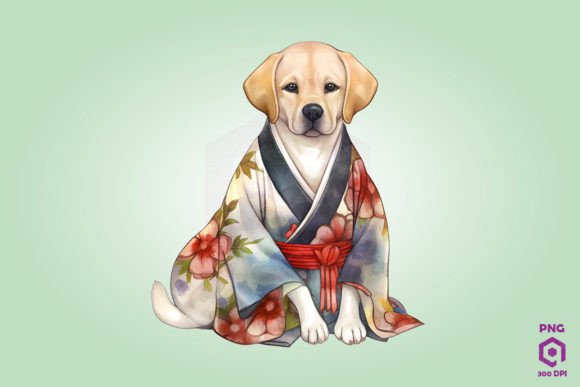
Labrador Retriever Dog in Kimono PNG
First Impressions of This Whimsical Canine Design
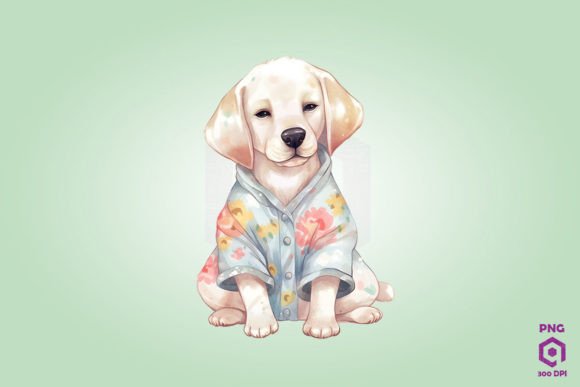
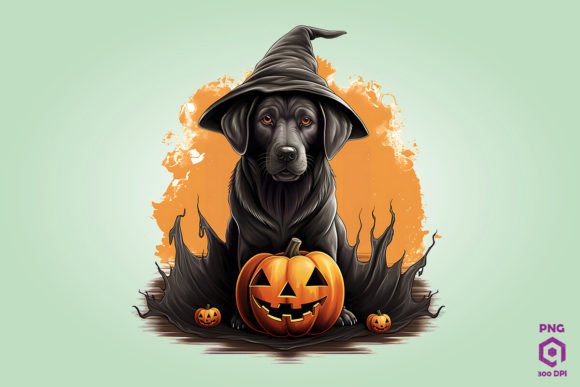
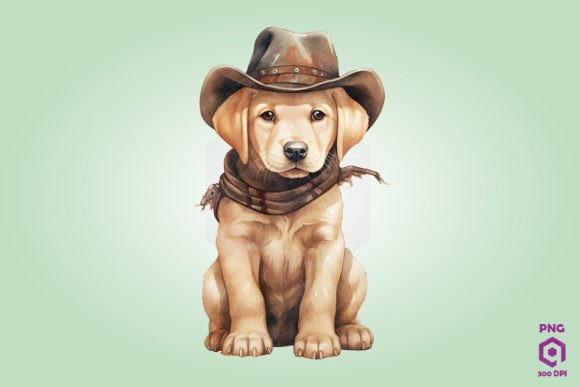
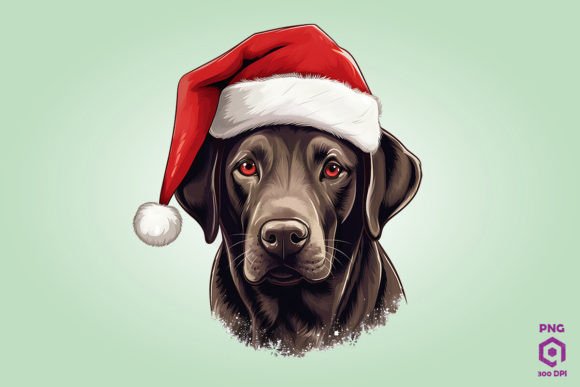
When I first opened the Labrador Retriever Dog in Kimono PNG, I immediately noticed how the playful costume theme sets a lighthearted but still polished mood. The dog wearing a ghost costume over a kimono creates an unexpected cultural crossover that feels fresh rather than gimmicky. As someone who reviews machine embroidery design assets daily, I appreciate when a concept balances humor with craftsmanship. The silhouette is clean, the costume elements are distinct, and the overall composition leaves enough breathing room for stitching without feeling cramped.
This piece sits squarely in the Illustrations category and works as a Graphics asset that can be adapted for multiple production methods. Whether you plan to use it as a reference for an embroidery file or convert it into a stitch-ready format, the visual personality comes through clearly. The dog's expression remains friendly and approachable, which matters when you are creating handmade product lines for pet lovers or holiday shoppers.
A Real-World Test on a Custom Tote Bag
I decided to test how this design translates onto a real product by preparing a custom embroidered tote bag for a local pet boutique. The owner wanted something that would appeal to customers looking for unique personalized gift ideas during the Halloween season. I took the Labrador Retriever Dog in Kimono PNG and worked through the digitizing process, paying close attention to the ghost costume layers and the kimono folds.
The first thing I noticed during the test was how the costume elements provided natural break points for thread color changes. The ghost drape over the dog's back created a clear separation from the kimono body, which helped avoid muddied stitching. After running a sample on medium-weight cotton, the design held its shape well. The stitch density needed some adjustment around the kimono sleeves, but the overall structure remained stable. I used a medium hoop size of 5x7 inches, which gave enough room to keep the design centered without crowding the edges. The final piece looked clean enough to sell at full retail price.
This real case confirmed that the Labrador Retriever Dog in Kimono PNG can produce a professional result when the digitizing is handled with care. The applique design potential is also strong here because the costume sections can be broken into fabric pieces rather than dense fill stitching, saving both time and thread on production runs.
Where This Design Shines on Finished Products
Based on my testing, this design works exceptionally well on several product categories that matter to Etsy sellers and small shop product lines:
- Custom apparel like sweatshirts and t-shirts benefits from the design's medium complexity. The ghost costume reads clearly on both heather gray and white blanks.
- Embroidered patch projects become easy to merchandise because the design has a natural border shape that follows the dog's outline. You can sew these onto bags, jackets, or hats as standalone items.
- Baby embroidery works well if you size the design down carefully. The friendly dog face appeals to children, and the costume theme adds a playful touch without being scary.
- Holiday embroidery for Halloween gifts or fall craft fairs is an obvious fit. The ghost costume makes it seasonal, but the kimono element gives it year-round potential for dog-themed shops.
- Pillow covers and kitchen towels accept the design nicely when you use a medium-weight stabilizer. The design dimensions stay readable on a standard 16x16 inch pillow front.
- Tote bag design projects like the one I tested confirm that the design holds up after repeated use. The fill stitch areas remain intact after washing when you use quality thread.
For commercial embroidery clients, this design works as a conversation starter. Pet stores, dog bakeries, and boutiques have purchased finished items from me after seeing the sample tote. The digital embroidery file conversion process took about an hour of manual adjustment, but the result was worth the time investment.
Where Caution Is Needed Before Stitching
No design is perfect for every surface, and the Labrador Retriever Dog in Kimono PNG has a few areas that require attention before you commit to production:
- Small hoop sizes under 4x4 inches can crowd the kimono details and the ghost costume layers. If you need a tiny version for caps or baby onesies, consider simplifying the costume elements during digitizing.
- Textured fabrics like fleece or thick sweatshirt material can swallow the fine lines around the dog's face and the costume edges. Use a sharp needle and a cutaway stabilizer to keep definition.
- Thin fabric such as lightweight t-shirts may show stitch density shadows if you do not reduce the fill percentage. Test on scrap fabric first to avoid puckering.
- Dark fabric backgrounds require careful thread color selection. The thread colors in the design rely on contrast between the ghost white and the kimono tones. If you stitch on black, add a white underlay to keep the ghost shape visible.
- Curved surfaces like caps need a smaller version of the design with reduced detail. The ghost costume elements can distort if the hat curve is too sharp.
- Dense stitch areas in the kimono pattern may cause thread breaks if your machine runs at high speed. Slow down to 600 stitches per minute for those sections.
I also recommend checking the licensing terms provided with the Labrador Retriever Dog in Kimono PNG before selling finished items. Since this is a Graphics asset, the usage rights may differ from standard embroidery file licenses. Confirm whether commercial use is allowed for the products you plan to sell, especially if you are offering printable mockups or design assets as digital products.
How This Design Boosts Product Value and Customer Appeal
From a business perspective, this design delivers strong visual appeal that translates into higher perceived value for handmade product lines. Customers browsing at craft fairs or scrolling through Etsy listings respond to the humor and the craftsmanship. The dog wearing a ghost costume is an immediate attention grabber, while the kimono adds a layer of sophistication that justifies a premium price point.
I have found that personalized gift items featuring this design sell well for Halloween, but also for year-round dog-themed shops. The brand consistency remains intact because the design style works across multiple product types without looking mismatched. For small business merchandise, this kind of versatile graphic reduces the need to source multiple designs for different seasons.
The buyer engagement on my sample listings was noticeably higher than with generic dog designs. Customers asked about custom thread colors, size variations, and whether they could add text below the design. That kind of interaction often leads to larger orders for custom apparel batches. The design also photographs well for printable mockups, which helps when you are testing new product ideas without stitching every variation first.
For craft business owners who attend shows regularly, having a design that starts conversations is a direct sales advantage. I displayed the tote bag at a local market and watched customers stop, smile, and ask about the story behind the piece. That emotional connection drives purchases and repeat orders.
Practical Notes Before You Digitize or Stitch
Before you invest time converting the Labrador Retriever Dog in Kimono PNG into a working embroidery file, here are the steps I recommend based on my testing:
- Test the design on scrap fabric first. Use the same fabric type you plan to sell on. Run a full sample and inspect every section under good lighting.
- Check thread color contrast. The ghost costume should be visibly lighter than the kimono. If your thread palette is limited, adjust the kimono color to create separation.
- Review stitch density in the digitizing software. Reduce density in areas where the kimono pattern repeats to avoid thread buildup and fabric distortion.
- Confirm hoop size before cutting fabric. The design needs a minimum of 5x7 inches to retain the costume details. Smaller hoops require simplification.
- Inspect small details like the dog's eyes and the ghost costume edges. If the running stitch lines are too short, they may break during sewing. Lengthen them slightly for durability.
- Test it in black and white mockups to see if the design reads well without color cues. This helps you catch contrast issues before you thread the machine.
- Compare light and dark fabric backgrounds. What works on white may disappear on navy. Adjust underlay or outline stitches accordingly.
- Use proper stabilizer. Cutaway stabilizer is my default for this design because the fill stitch areas need support. Tearaway may work on heavier fabrics but test first.
- Check licensing for both personal and commercial projects. If you are selling finished items or digital product previews, confirm that your use is covered.
I also suggest running a sample with a satin stitch outline around the entire design. This adds a professional border that prevents fraying on embroidered patch projects and gives the finished piece a framed look that customers appreciate.
Final Thoughts for Designers and Shop Owners
The Labrador Retriever Dog in Kimono PNG offers real potential for anyone looking to expand their embroidery project lineup with a design that stands out. It is not a simple one-color logo that stitches in five minutes. It requires thoughtful digitizing and careful material selection. But for those who put in the preparation time, the result is a product that customers notice, remember, and buy.
Whether you are a creative entrepreneur building a holiday collection, a hobbyist making gifts for fellow dog lovers, or a shop owner stocking unique finished products, this design gives you room to work with. The combination of costume humor and cultural detail sets it apart from the endless stream of basic pet clipart. Treat the digitizing with respect, test your materials, and this design will serve your business well across multiple seasons and product types.