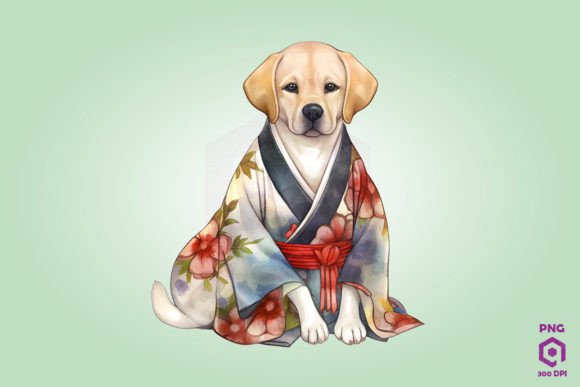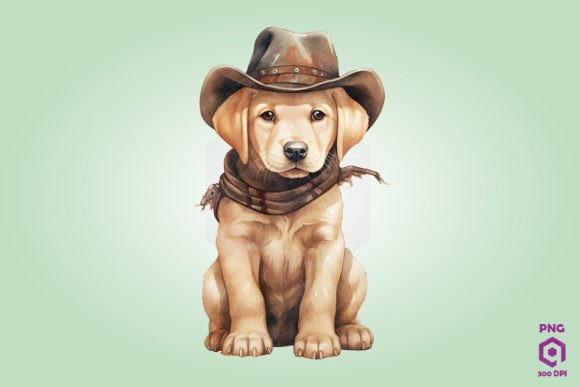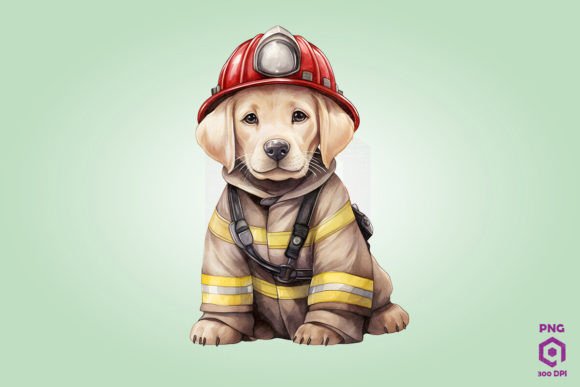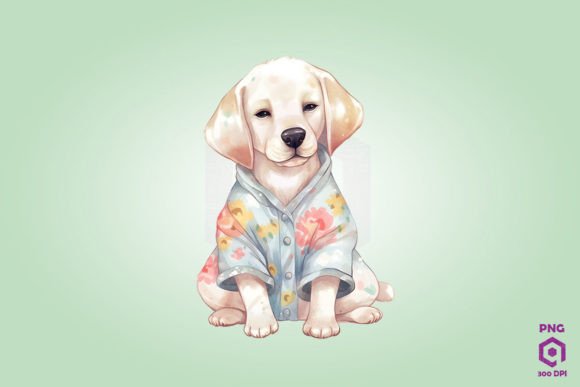
Labrador Retriever Dog in Pajamas
When I first opened the Labrador Retriever Dog in Pajamas design, I was immediately struck by how much personality it packed into a single composition. This is not a generic dog silhouette or a stiff illustration. It feels like a snapshot of a beloved pet who has been coaxed into cozy sleepwear for a holiday photo or a lazy Sunday morning. As someone who has tested hundreds of embroidery files for real client projects, I have learned to spot the difference between a design that works on screen and one that works in thread. This one, I can already tell, is worth a closer look.
The theme is playful, warm, and instantly recognizable to anyone who has ever owned a Labrador or loved a dog with a goofy, affectionate nature. The pajamas add a layer of charm that makes the design suitable for everything from personalized gifts to commercial merchandise. It belongs naturally on toddler onesies, matching family pajama sets, tote bags for dog lovers, and even kitchen towels for a pet-themed boutique. The mood is lighthearted without being childish, which means it can appeal to adults who appreciate a subtle nod to their four-legged family member. I would feel confident using this on a custom embroidered sweatshirt for an Etsy listing or as a patch for a craft fair display.
A Design That Reads Well in Stitches
One of the first things I look for in any machine embroidery design is whether the shapes will translate clearly when digitized. The Labrador Retriever Dog in Pajamas has a strong silhouette and distinct features. The dog face is expressive without being overly detailed, which is a sweet spot for embroidery. When I imagine stitching this onto a cotton tote bag or a baby bib, I can see the satin stitch outlining the pajama collar and the fill stitch handling the body with good coverage. The eyes and nose are large enough that they will not turn into blobs, even at moderate hoop sizes.
That said, this design is best suited for projects where you have at least a four by four inch hoop or larger. I would not attempt to squeeze it into a tiny cap crown or a miniature patch without scaling down carefully and checking the stitch density. If you are planning to use it on a cap or a curved surface like a beanie, I recommend testing on a practice piece first. The pajama pattern details and the facial features need enough room to breathe. On a floppy tote or a front chest placement on a sweatshirt, though, this design will shine.
Where This Design Delivers Real Value
In my own shop, I am always looking for designs that serve double duty: they look great as standalone pieces and also work well in layered compositions. The Labrador Retriever Dog in Pajamas fits that bill. It can be the centerpiece of a custom garment or a supporting element in a larger layout, such as a family name sign or a holiday themed bundle. For an embroidered patch, the thick outlines and clear shapes make it an excellent candidate. I would use a tear-away stabilizer for a patch and a cut-away for apparel to keep the stitches crisp through repeated washing.
Small business owners and Etsy sellers will appreciate how this design photographs. It creates strong printable mockup visuals, whether you are showcasing it on a cream colored sweatshirt or a kraft tote bag. The pajamas add a pop of visual interest that separates it from standard pet portraits. I have seen similar designs sell well as personalized Christmas gifts, birthday presents for dog owners, and even memorial items when stitched in muted tones. The emotional connection is immediate, and that drives buyer engagement.
Where to Use Caution
No design is perfect for every surface, and I would advise a few important checks before committing to a production run. First, test the stitch density on your actual fabric. The pajama areas may have a higher stitch count than the face, especially if the digitizer used fill stitches for the body. On thin fabric like a t-shirt or a baby onesie, this could cause puckering. I always run a test stitch on a scrap of the same fabric, using a medium weight stabilizer, before stitching the final product.
Second, consider the contrast. If you are stitching on dark fabric, the dark tones in the dog face may blend into the background. I recommend using a lighter thread color for the dog and a contrasting color for the pajamas. A light cream dog on a navy sweatshirt with red pajamas reads beautifully. On a black garment, you may need to add a white or light gray underlay or choose a different thread palette altogether. For commercial embroidery projects, I always prepare a black and white mockup to check the value contrast before threading the machine.
Third, be mindful of small details. If the design includes tiny buttons, a collar tag, or fine lines in the pajama fabric, those elements may not stitch cleanly at smaller sizes. I would not recommend scaling this below about three inches in height for any project that requires sharp detail. For baby embroidery or miniature items like cap fronts, consider using a simplified version or a separate applique layer for the pajamas.
Visual Appeal and Customer Trust
When a customer receives a handmade product featuring the Labrador Retriever Dog in Pajamas, they are not just buying a piece of apparel. They are buying a representation of their own dog, their sense of humor, or their love of cozy home life. That emotional weight means the stitching must be clean, the colors must be well chosen, and the placement must be intentional. A crooked or puckered design will break that trust. I always take the time to center the design carefully, use the right needle size, and clip any jump threads before pressing the final product.
In my experience, designs with a clear personality like this one also perform well as gift items. I have made custom tote bags for friends who own Labs, and the reaction is always the same: they smile, they laugh, and they immediately send a photo to their family group chat. That kind of organic promotion is gold for a craft business. If you are selling finished products at a market or on a platform like Etsy, this design will stand out among more generic pet graphics.
Practical Notes for the Embroidery Designer
Before you load this file into your machine, take a few steps to ensure a smooth run. Test on scrap fabric first, using the same thread colors you plan to use on the final item. Check the color sequence in your software. Some digital embroidery file formats may list thread color numbers that do not match your brand, so be ready to substitute. I keep a reference card for common thread brands to avoid surprises mid-stitch.
Confirm your hoop size before cutting fabric. If the design is larger than your hoop, you will need to split it or resize it in your digitizing software. If you are new to resizing, avoid scaling down too aggressively. A drop of ten percent is usually safe, but a fifty percent reduction can turn a clear face into a muddled mess. Always re-digitize if the original file was created at a specific scale.
For those selling digital products or design assets, be sure to check the licensing terms. The product description mentions Illustrations and Graphics, which may have different usage rights than a dedicated embroidery file. If you are purchasing a PNG or clipart version for sublimation or mockup creation, you may need to convert it to an embroidery format separately. Always verify that your intended use—whether personal gifts, small batch sales, or large commercial runs—is covered by the license. When in doubt, contact the seller directly.
Quick Checklist Before Stitching
- Test on scrap fabric with your chosen stabilizer
- Check thread color contrast against fabric background
- Review stitch density in your software or machine display
- Confirm hoop size accommodates the full design
- Inspect small details for clarity at your planned scale
- Run a black and white mockup to check value contrast
- Compare appearance on light and dark fabric options
- Verify licensing for your intended use
If you are planning to offer this as a personalized gift option, I suggest offering thread color choices to your customers. Let them pick the pajama color and the dog shade. That small customization increases perceived value and helps your product stand out in a crowded marketplace.
Final Thoughts on the Labrador Retriever Dog in Pajamas
After working through the practical considerations, I can say with confidence that this design deserves a spot in your active collection. It is versatile, emotionally engaging, and translates well to thread when handled with care. Whether you are stitching a one-of-a-kind gift for a dog loving friend or producing a small batch of custom apparel for your shop, the Labrador Retriever Dog in Pajamas delivers a reliable mix of charm and professional presentation.
I recommend pairing it with high quality materials: a sturdy cotton canvas for tote bags, a soft poly cotton blend for sweatshirts, or a linen cotton mix for decorative pillows. Use a fresh needle, a good quality stabilizer, and take the time to trim any loose threads between color changes. The result will be a finished product that feels polished and thoughtful. Your customers will notice the difference, and they will come back for more.
If you have been on the fence about adding a pet themed design to your lineup, let this one be your starting point. It is friendly, functional, and full of the kind of personality that builds a loyal customer base. Test it, tweak it if needed, and then put it to work in your next embroidery project. I think you will be pleased with how it stitches out.